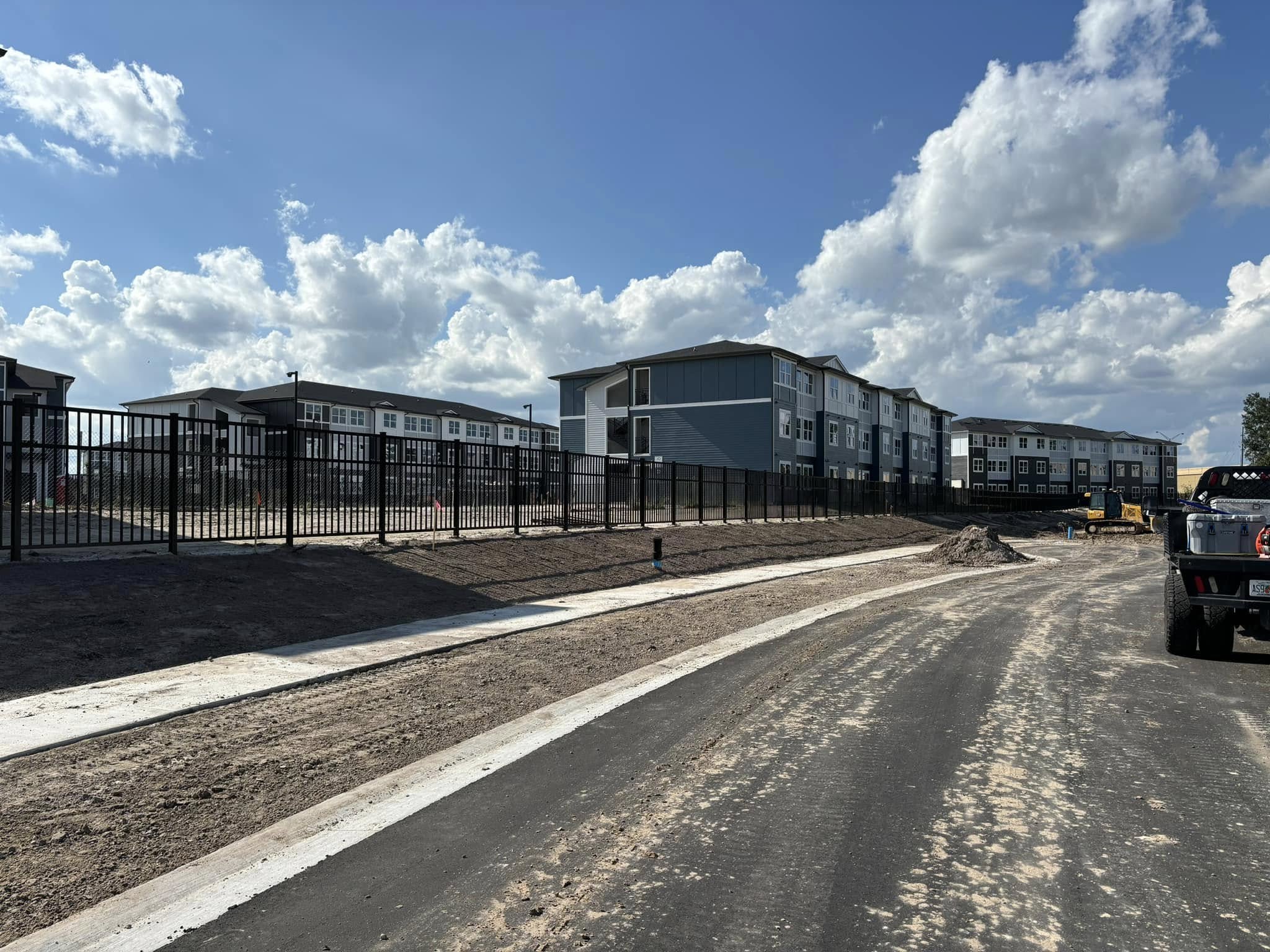
Beneath the Surface: Understanding Soil Composition for Successful Excavation May 27, 2026
When embarking on any excavation project, the first step is assessing the type of soil present at the site. Soil composition can vary widely, even within a small geographical area, and each type presents its own set of challenges. Sand, clay, silt, and loam are the primary soil types, each with unique properties affecting excavation.
Sandy soil, for instance, is typically comprised of large, gritty particles. These particles allow for easy drainage but do not hold together well, which can lead to instability during excavation. While sandy soils are easier to dig through, they require caution to ensure that the sides of an excavation do not collapse, posing hazards for workers and equipment alike.
In contrast, clay soil is composed of much smaller particles that stick together tightly. This stickiness can both hinder and help an excavation process. Clay retains water well, which means it can become very heavy and challenging to move, particularly after rainfall. On the plus side, its cohesive properties make it structurally sound, reducing the risk of immediate collapse, but it may cause delays due to water retention issues.
Silt is finer than sand but not as compact as clay. Its fine texture means it holds water well, but like clay, it can pose problems in wet weather, becoming slick and difficult to manage. The key with silt is to monitor the moisture levels closely to avoid complications during work.
Loam is often considered the ideal soil type for construction and excavation. A balanced mixture of sand, silt, and clay, loam offers good drainage while retaining sufficient moisture and nutrients. Its crumbly yet stable nature makes it relatively easy to work with, allowing for smoother and more predictable excavation processes.
For Parker Land Services, understanding these soil compositions is vital in planning and executing successful projects. Each type necessitates different equipment and safety protocols. For instance, sandy soils might require shoring and benching techniques to prevent collapses. Clay-heavy sites may need additional drainage systems or drying periods to ensure work can progress safely.
The variability of soil on any given site underscores the importance of conducting a thorough analysis before beginning any excavation. By taking soil samples and sending them to a lab for analysis, companies like Parker Land Services can tailor their approach, ensuring that the right machinery and methods are employed.
In conclusion, understanding the intricacies of soil composition is not just a technical requirement but a critical safety consideration. For clients working with excavation services, knowledge about the type of soil on their land can guide the scope of work and help anticipate potential challenges. By illuminating the realities beneath the surface, companies and clients alike can ensure more efficient, safe, and successful excavation projects. As Parker Land Services knows, it's what's beneath the surface that truly counts.
/filters:no_upscale()/filters:format(webp)/media/9563a09f-870a-4439-86be-4d04f6411d04.jpeg)
/filters:no_upscale()/filters:format(webp)/media/12adbc89-47d7-4738-a01d-fb201b568fe6.jpeg)