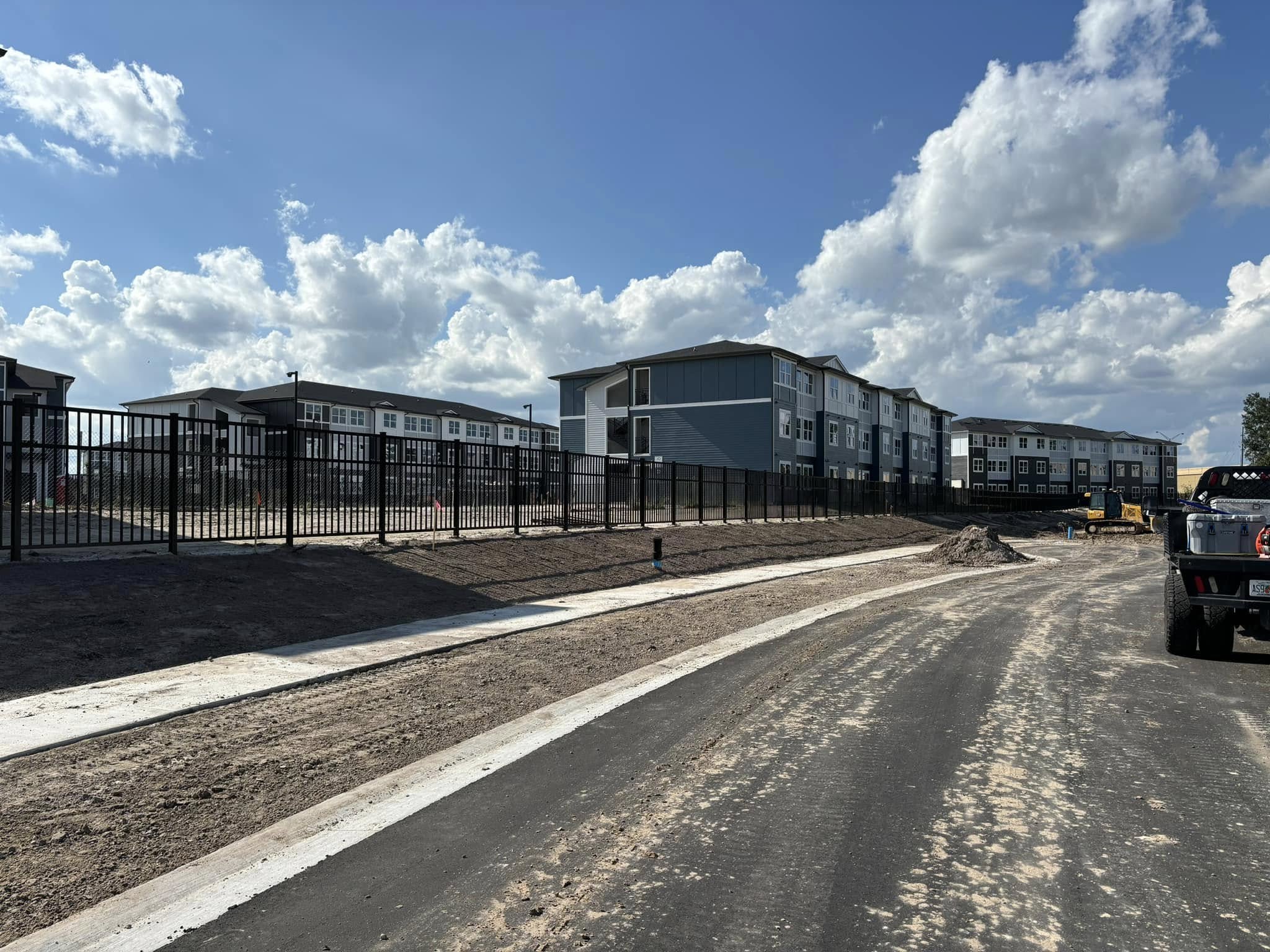
Excavation and Preservation: Balancing Development and Environmental Sensitivity Mar 23, 2026
To begin with, excavation is a fundamental component of construction projects, enabling the creation of foundations, drainage systems, and other essential infrastructure. However, this often involves disturbing the natural landscape, which can affect local ecosystems. As demand for development grows, so does the need for responsible land management practices.
Parker Land Services embodies this ethos by employing strategies that minimize adverse environmental impacts. These include conducting thorough site assessments to understand the ecological significance of the area before beginning excavation. By identifying sensitive habitats or endangered species early on, they can adjust their plans to mitigate harm. This proactive approach is essential for preserving biodiversity while fulfilling project requirements.
Moreover, integrating technology into excavation processes enhances efficiency and precision. Advanced equipment allows for less intrusive digging, conserving more of the natural environment. For example, using GPS-guided machinery ensures that only necessary areas are affected, reducing unnecessary land disturbance. This not only lessens environmental damage but also streamlines operations, saving time and resources.
Another aspect of balancing development with environmental concerns is through responsible waste management. Excavation produces a significant amount of soil and rock waste, which, if not handled properly, can lead to pollution. Parker Land Services prioritizes recycling and reusing materials wherever possible. This practice reduces the environmental footprint and often results in cost savings, showcasing that eco-friendly practices can be economically viable.
Community collaboration is also a vital component of sustainable excavation practices. Engaging with local communities helps in understanding their concerns and incorporating them into planning processes. This dialogue often leads to innovative solutions that benefit both the development project and the local environment. Parker Land Services emphasizes community involvement, ensuring that their operations align with local environmental priorities and contribute to regional sustainability goals.
In conclusion, the intersection of excavation and environmental preservation is a complex but essential consideration for modern construction companies. By adopting sustainable practices, utilizing advanced technology, and fostering community partnerships, companies like Parker Land Services demonstrate that development and environmental sensitivity can coexist. The key lies in a commitment to innovation and a responsible approach that respects the natural world while meeting human development needs.
Through these strategies, Parker Land Services not only advances their projects but also sets a benchmark for the industry. They prove that through careful planning and execution, it's possible to achieve progress without sacrificing our planet's health. Balancing excavation and preservation requires dedication and foresight, but it is an achievable and necessary goal for the growth and sustainability of our communities.
/filters:no_upscale()/filters:format(webp)/media/9563a09f-870a-4439-86be-4d04f6411d04.jpeg)
/filters:no_upscale()/filters:format(webp)/media/12adbc89-47d7-4738-a01d-fb201b568fe6.jpeg)